Brightly
Twelve siloed products, one platform vision, shown to Siemens.
36% Customers more likely to renew after seeing the vision
 North Carolina → Berlin
My thinking starts with the outcome and who it's for, and ends with numbers that show we got there.
 15 yearsLed design across 12 productsUS/German citizen, EU work-authorized
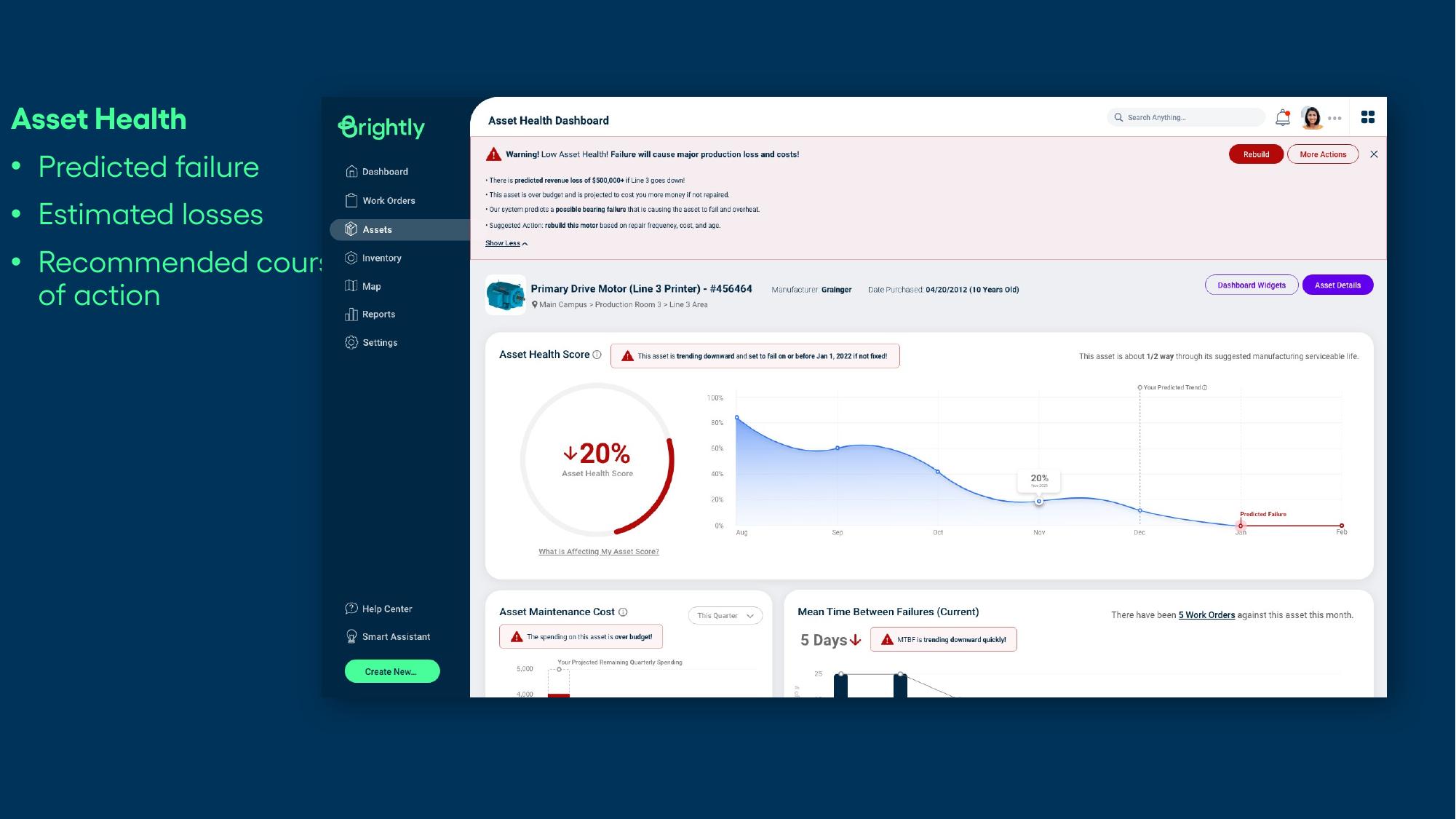
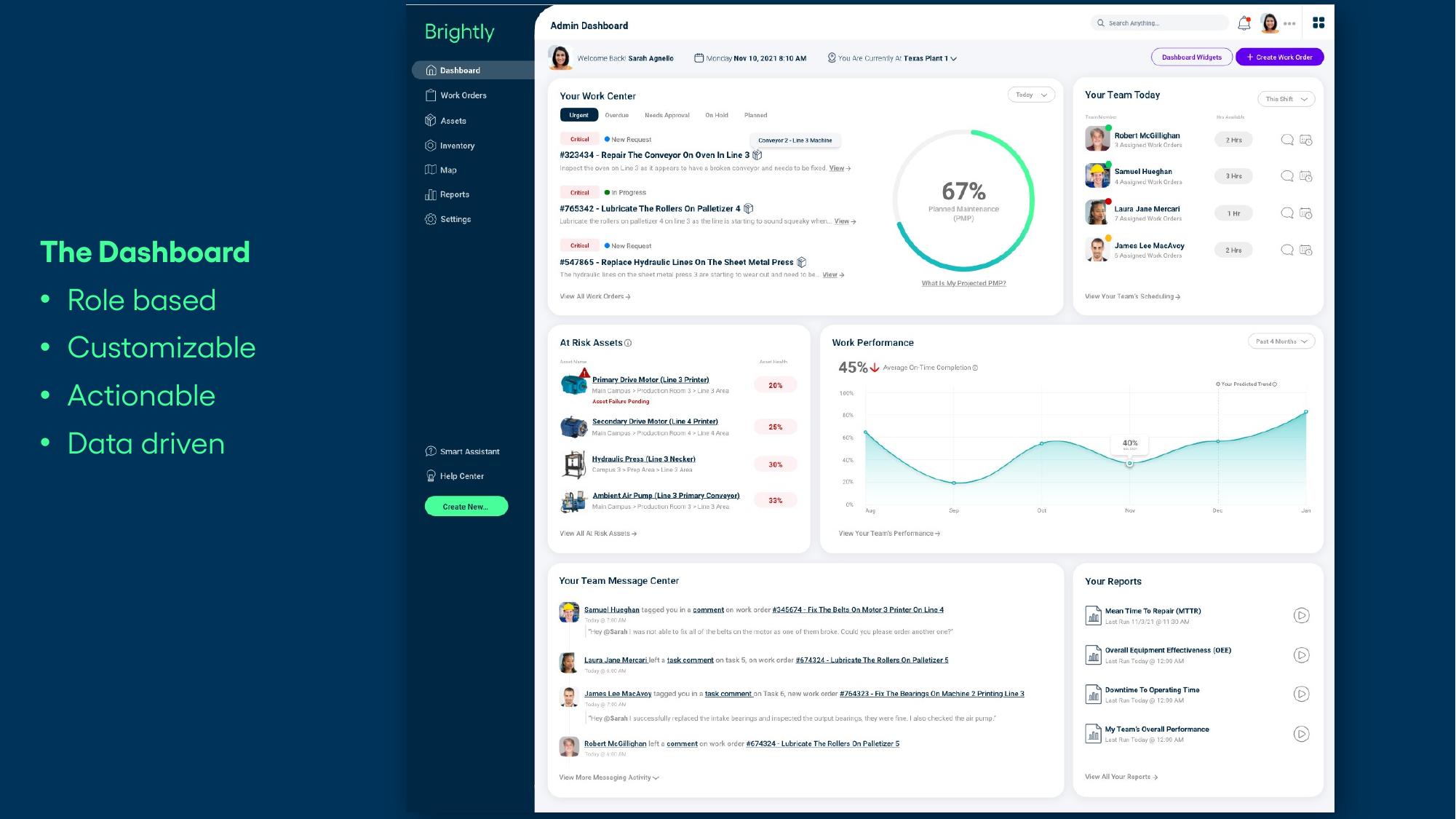 Brightly$1.575BSet the design direction for the Brightly acquisitionManufacturing · Healthcare · Education · GovernmentFrom 12 siloed products to one platform vision. 6 minute read.
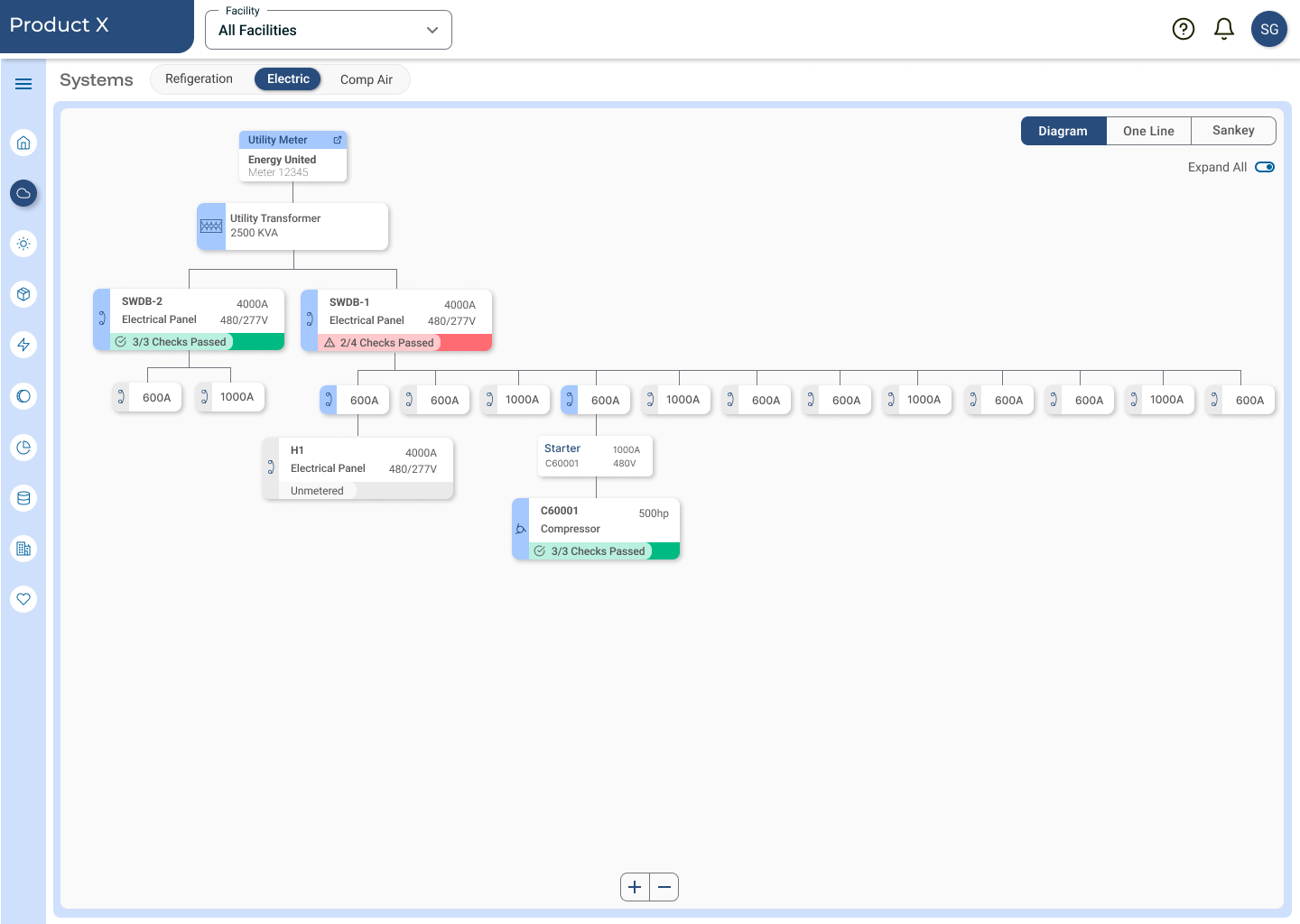 PQ + DR200+Industrial locations running operator tools I designedEnergyFrom ai insight to operator decision. 5 minute read.
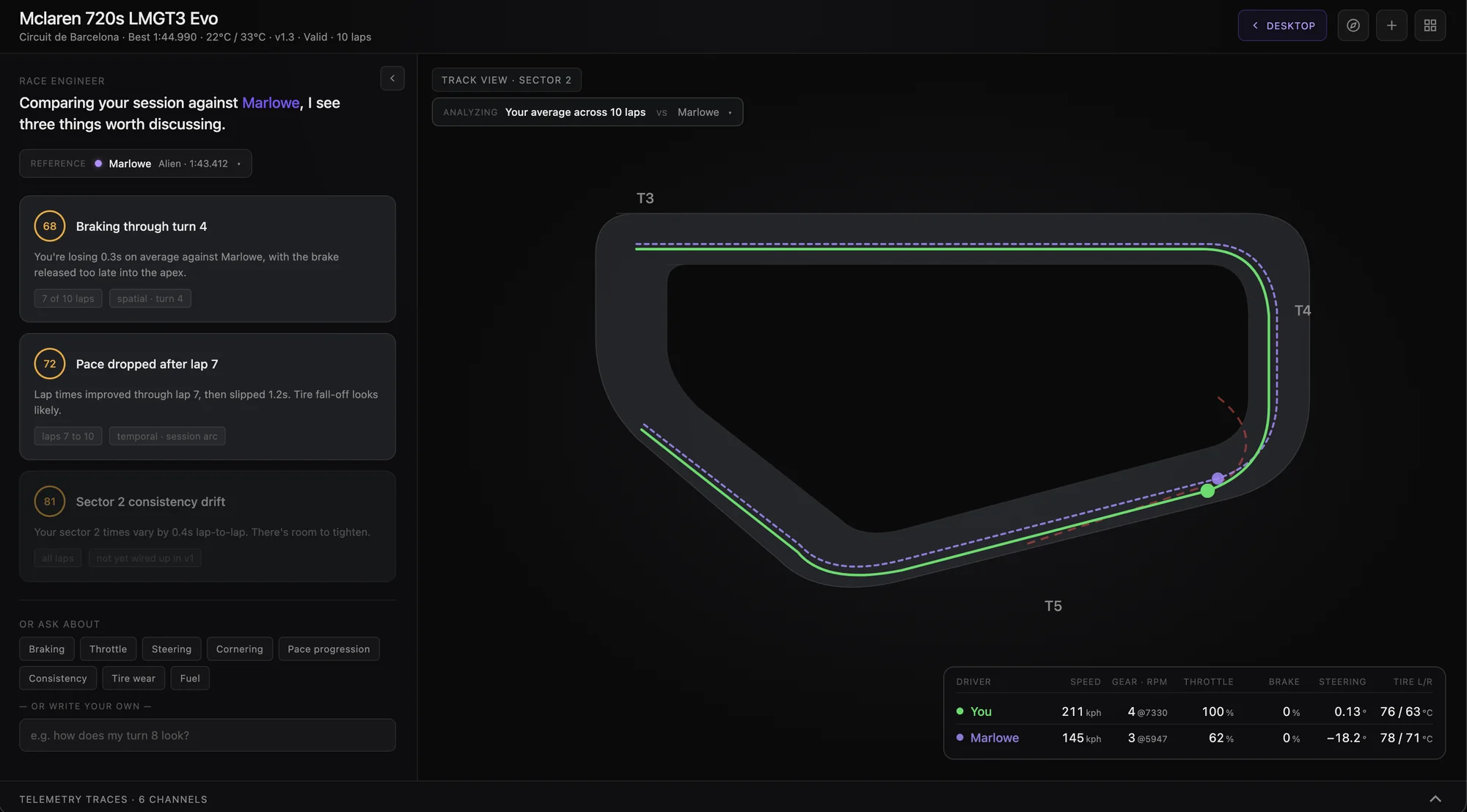 Sim Racing Coach4Driver question types I designed one AI race engineer to answerMotorsportsFrom data and a chat window to a race engineer. 7 minute read.
Brightly
36% Customers more likely to renew after seeing the vision
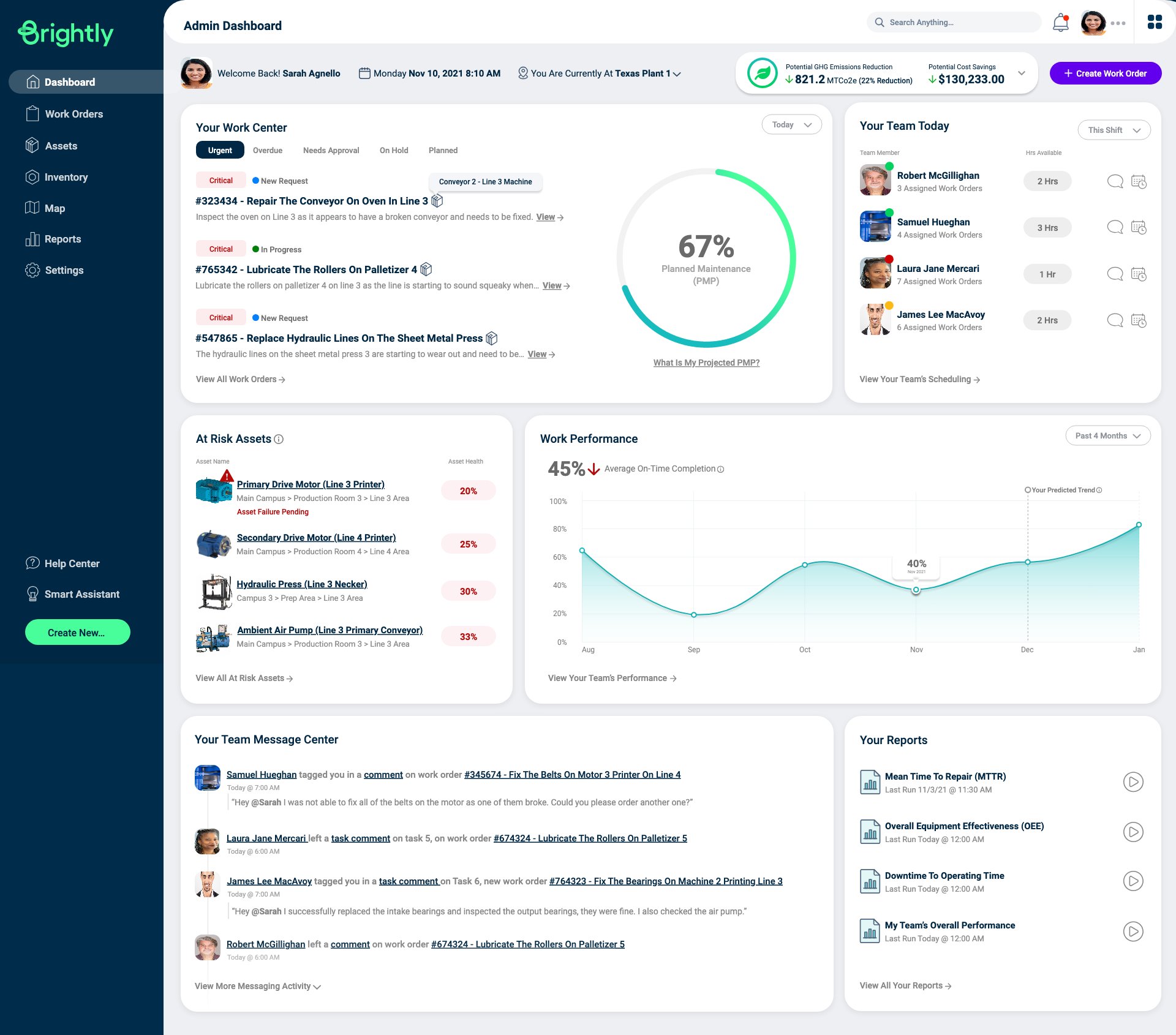
Lumos
12 of 12 Products adopted the system
Sim Racing Coach
1 Interface for new and expert drivers, in place of two modes
4 Driver question types I designed one AI race engineer to answer
Power Quality and Demand Response
2 surfaces Power Quality and Demand Response built on one AI system
200+ Industrial locations running operator tools I designed
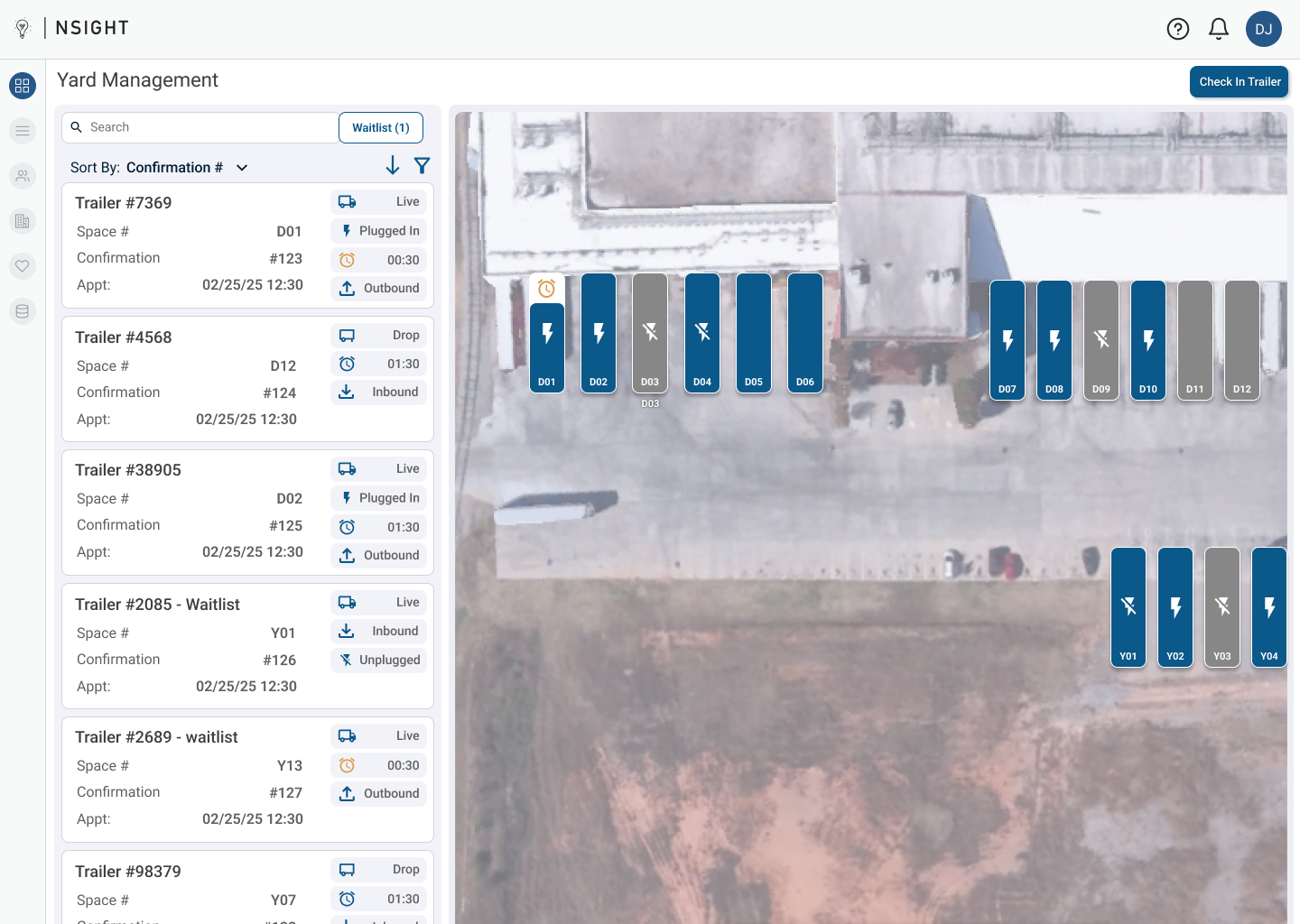
Fleet
3 + 2 → 1 Tools and forms consolidated to a single workflow
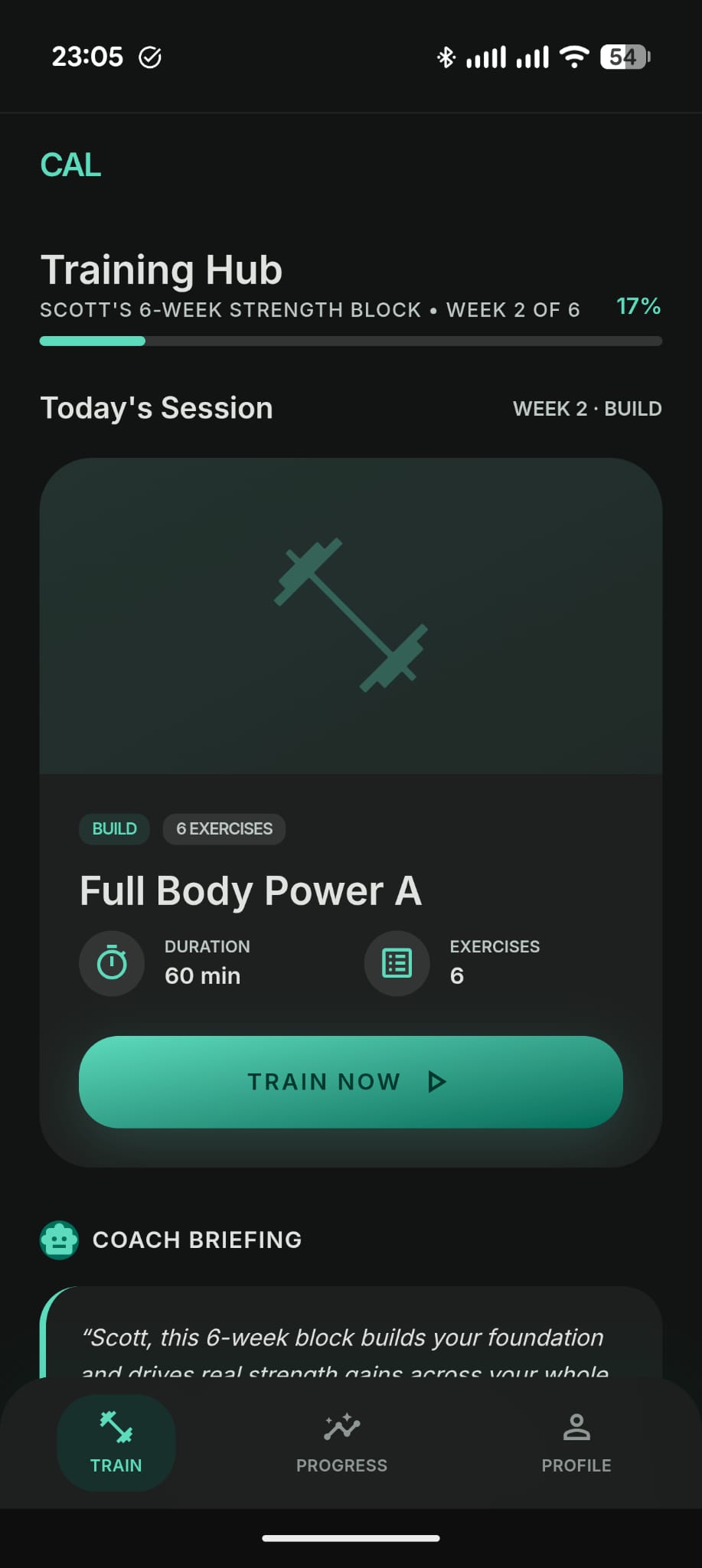
Cal
5 days Research to shipped, end-to-end
Lupe
28 Places my own files disagreed about one component
Short answers, and where the proof lives.
For two years at Brightly I ran design for the whole company. I owned strategy across every product, ran design ops, and represented design in the CPO’s planning meetings. Together with a principal designer, I led a team of seven designers in five cities around the world. At Ndustrial I was the company’s only designer, so all of design and its operations were mine.
Yes. Lumos gave twelve Brightly products, and the platform meant to replace them, one design language. I pitched it to the executive team in 2022 and built it with a senior designer and a front-end developer. Every product adopted it.
Closely. I’ve always worked closely with engineering, because it’s the best way to cut friction and churn when building products. Now that AI is part of how products get built, that relationship matters even more.
Constantly. I use it to run my day and my design systems, and to prototype and iterate on designs. I design it into products, where the system does the analysis and a person makes the decision. And I keep testing new tools, looking for better ways to work.
I enjoy both. I like the mentoring side of running a team, helping people grow their careers and skills in product and design. I also like being hands-on, solving problems creatively and shipping products myself. Since 2025 that’s meant two paid AI-agent projects and two apps I built solo.
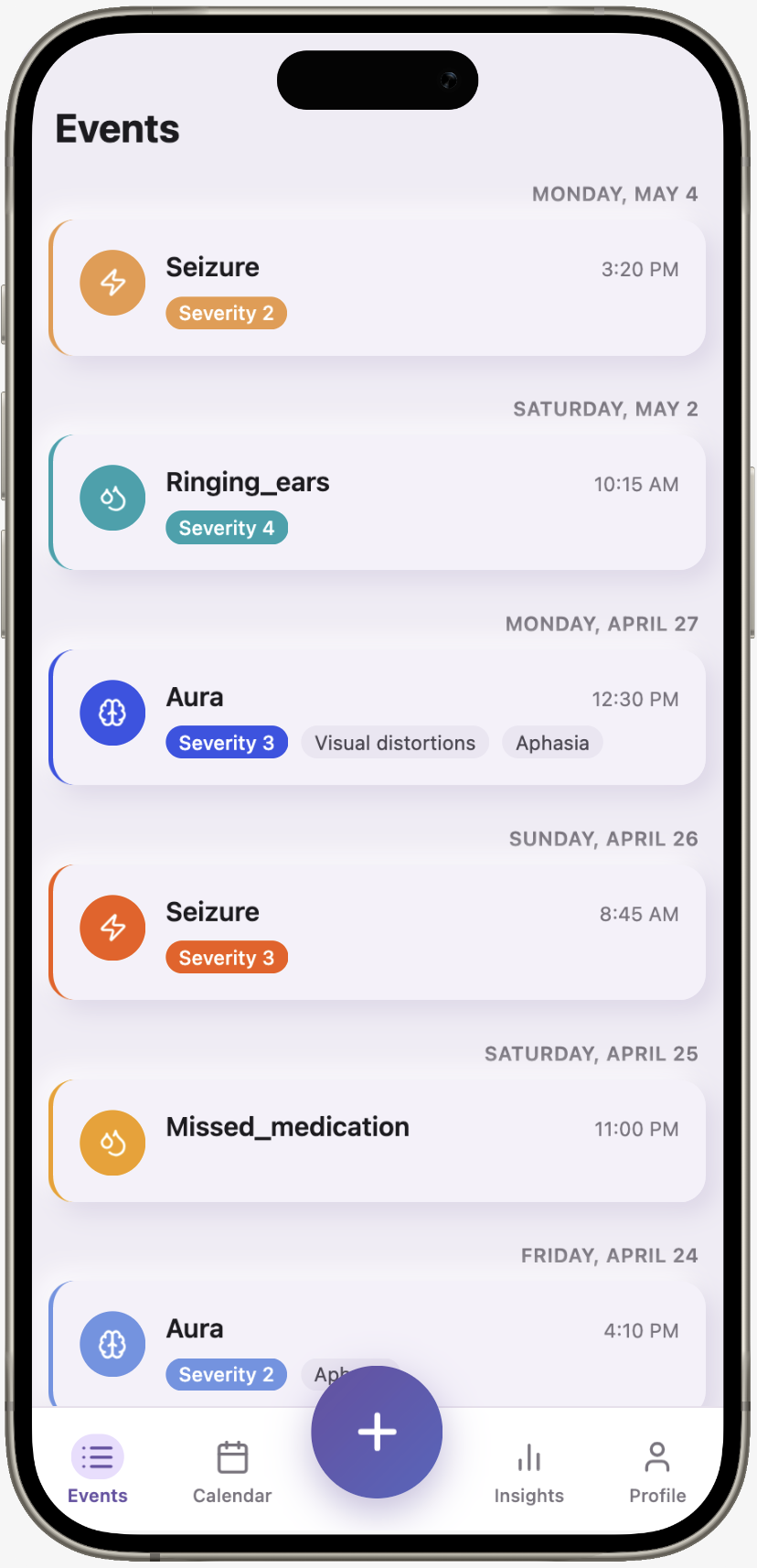
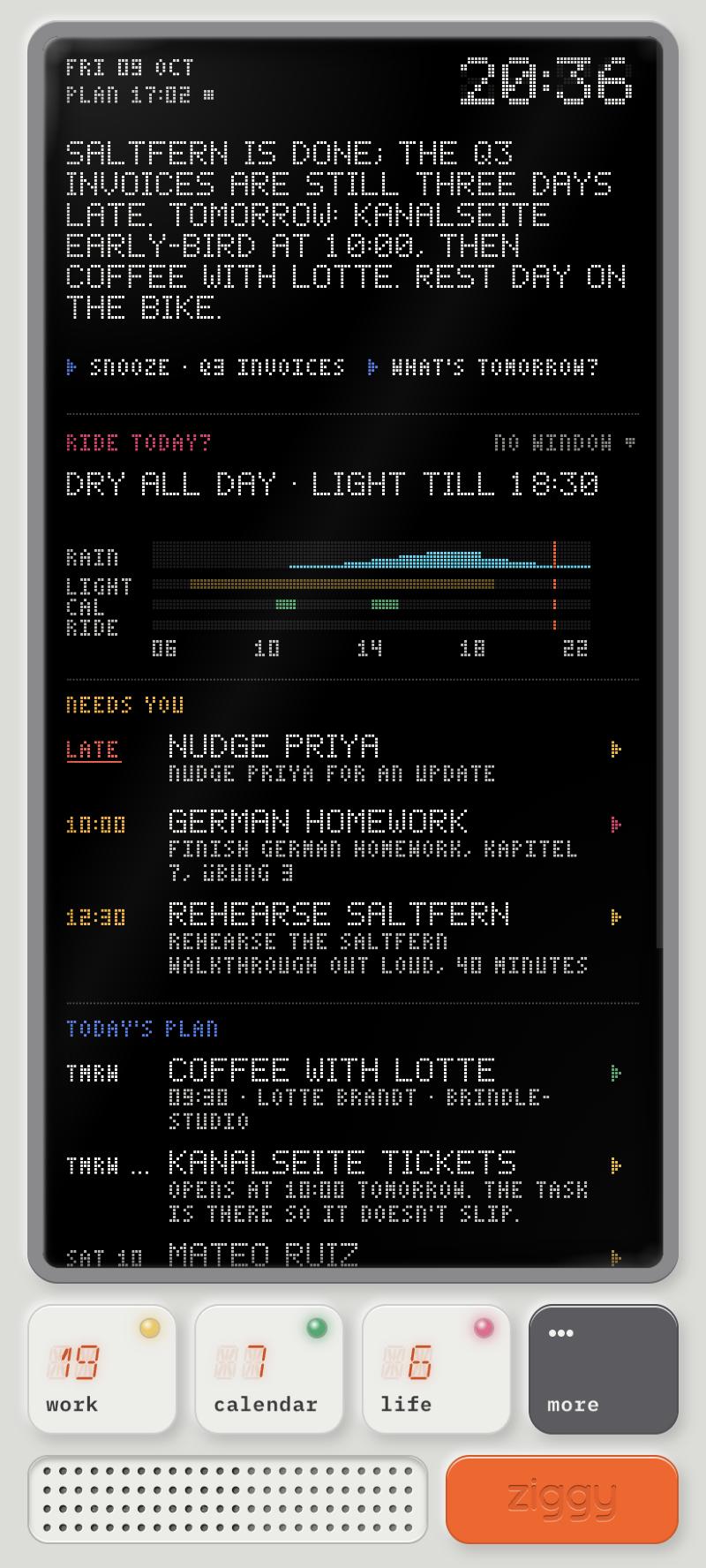
After Ndustrial I spent the rest of 2025 moving from the US to Berlin, and we arrived in January 2026. Since then I’ve kept designing and growing my skills with AI tools. I designed an AI race engineer for a sim-racing startup and built my own apps, including Ziggy and Epilog.
At Brightly I ran the accessibility program for the portfolio. I put WCAG into the team’s definition of done and our career ladder, took the plan to the product board, and started VPATs and a third-party audit. Today I design to WCAG 2.2 AA, and I never treat a passing automated check as proof, because those tools catch only a fraction of real issues.
Yes. I’m a US and German citizen, so I don’t need a visa to work anywhere in the EU. I live in Berlin and I’m open to relocating anywhere in Germany, or to remote roles.
What I do, and why this site is a transit map.
I'm a senior product designer and design leader. That's fifteen years of designing complex software, mostly enterprise, having led both onsite and full remote global teams. At Brightly I ran the accessibility program across four markets, and led an effort to unify a portfolio of 12 siloed products into a singular experience. Now I'm in Berlin doing the independent version of the same work, building and shipping AI products on my own. I hold US and German citizenship, with full EU work authorization.
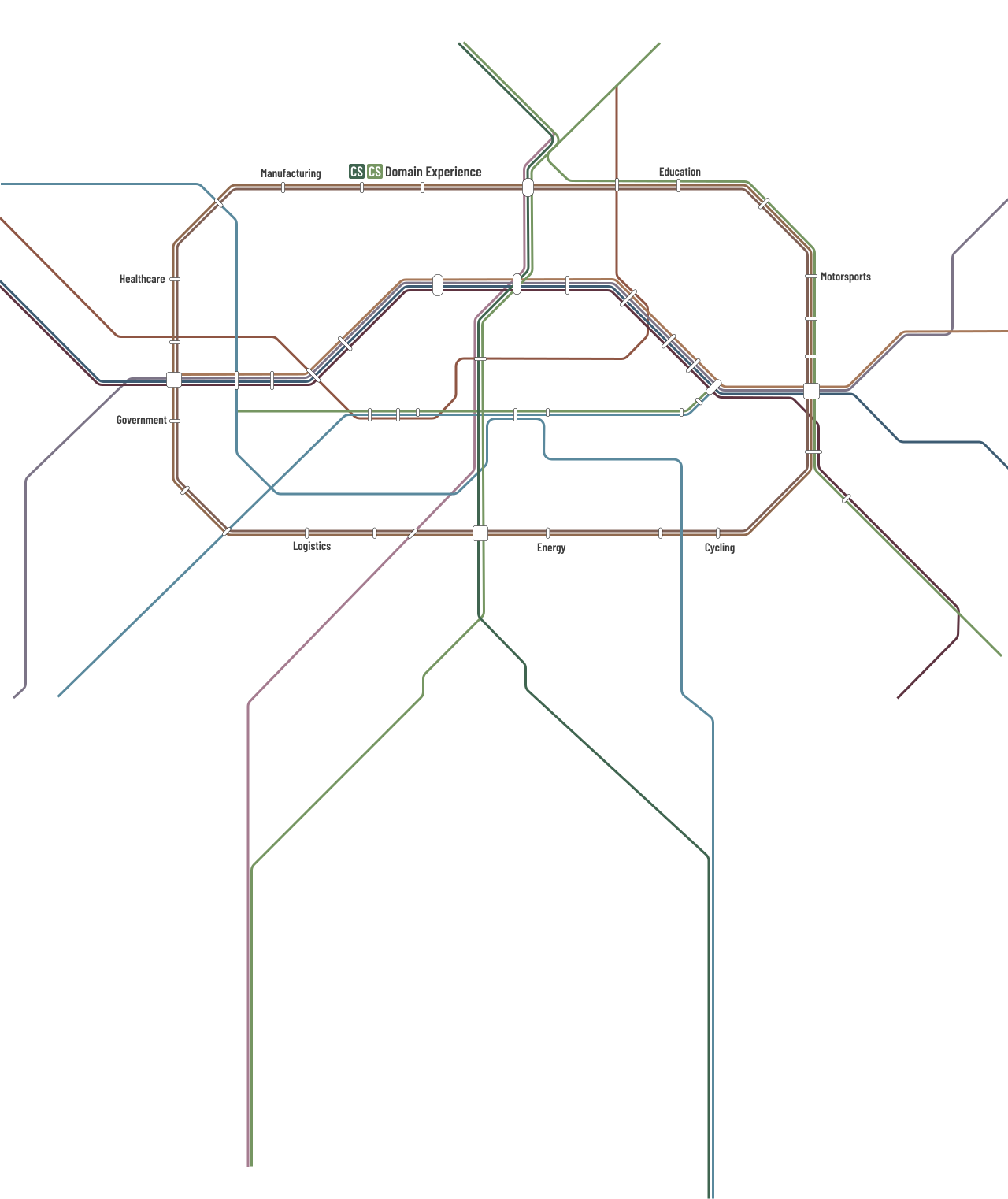
This site is built around a transit map, for my love of transit and simple clear design. A subway has to work for a tourist who doesn't speak the language, a commuter running late, a child riding alone, an elderly rider with a cane, and somebody running on no sleep at the end of a long day. The route map, the signage, the ticket machine, even the industrial design of the train, the platform, and more, all have to offer the same accessibility and clarity for every one of those people, in seconds, with no instructions. I strive for my design work to do the same.
Away from the screen it's mostly wheeled things. I've been a cyclist since the 90s and I still ride on and off road around Berlin. I also build and prep cars for track driving, and I coach other people who are learning to drive at the limit. Getting someone faster means understanding what has to happen and what can go wrong before it happens, communicate, and execute. That transfers directly to running a design team.
The illustrations below are mine. I like drawing cars to keep my eyes and hands in sync.
Email or LinkedIn. I read both.
Open to design leadership and senior product design roles, AI product work, and design consulting.